Help your body bounce back faster, stay injury-free, and feel fresh for every run.
Let’s be honest — the thrill of a long run, that post-run high, the sense of progress — it’s addictive. But here’s the dirty secret: your muscles don’t get stronger while you’re running. They recover (or don’t). And if you skip recovery, guess who pays the price? Stiffness, injury, burnout, down to zero motivation.
If you want to run consistently — through seasons, not just a few good weeks — recovery is non-negotiable. Stretching, foam rolling, massage, compression, mobility work: they all help you keep going. The better your recovery toolkit, the fewer “off days” you’ll have, and the more your body will thank you by staying in the game.
So yes — we dread the foam roller at 6 am after leg day. But investing in the right recovery gear is one of the smartest things any runner can do. To make your life easier, we’ve rounded up seven recovery tools you can get right now, each with real benefits, real use cases, and reasons why they’ll become your post-run BFFs.
Some of the links on this site are affiliate links. This means that if you click on a link and make a purchase, I may earn a small commission at no additional cost to you. As an Amazon Associate, I earn from qualifying purchases.
What Makes a Great Recovery Tool
Before we dive into the list, here’s what to look for in recovery gear:
-
Targeted pressure / massage — it should reach deep tissues (IT band, calves, glutes) without completely destroying you.
-
Adjustability / intensity control — so you can dial it up or back depending on soreness.
-
Durability — you don’t want your roller or gun to fall apart after a month.
-
Ease of use / portability — things you’ll actually use are ones that don’t require a PhD to operate.
-
Complementary variety — a single device can’t do everything, so your list should include tools that compliment each other: foam roller + massage gun + compression, etc.
Top 7 Recovery Tools
-
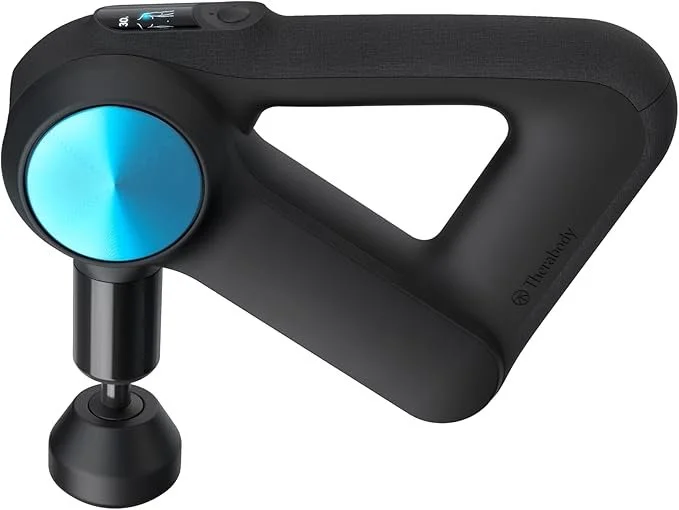
Theragun Elite Massage Gun
Key Benefits & Use Cases
This percussive massage gun delivers deep, rhythmic pulses into muscle tissue (usually 2,400 to 2,800 percussions per minute). It helps to:
-
Flush out metabolic waste (lactic acid)
-
Increase blood flow and oxygen delivery
-
Break up adhesions or knots
-
Accelerate warm-up and cool-down
How It Works / Why It’s Good
Use it on major muscle groups post-run (quads, hamstrings, calves) by gliding the head across the muscle for 30–60 seconds per area. For tighter spots, pause for a few seconds in the tender “trigger” spot. Many runners say it’s a game-changer especially after long runs or hill days.
Theragun Elite is quieter and sleeker than older models, with multiple head attachments (ball, cone, flat) so you can switch depending on need. The app integration lets you choose routines for specific muscles or run recovery, guiding you step-by-step.
Pros
-
Deep tissue access without needing hands
-
Multiple attachments and intensity levels
-
Durable and built for frequent use
Cons
-
Expensive investment
-
Battery needs recharging
-
Can be overkill if used incorrectly
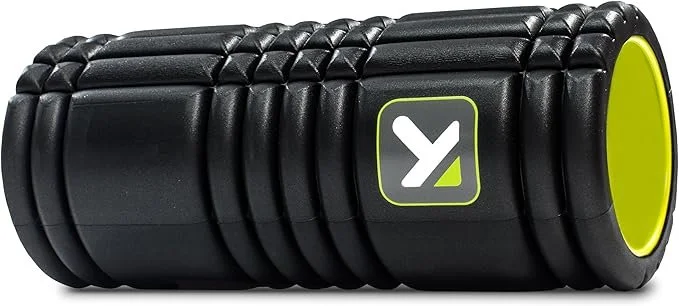
2.TriggerPoint GRID Foam Roller
Key Benefits & Use Cases
A foam roller is a recovery staple, helping to:
-
Release tension in quads, IT band, glutes, calves
-
Improve flexibility and range of motion
-
Reduce delayed onset muscle soreness (DOMS)
-
Prepare muscles before workouts
How It Works / Why It’s Good
You roll slowly over sore spots, finding tight “knots” and rolling over them for 20–30 seconds (or until you feel tension ease). The GRID’s multi-density surface mimics a massage therapist’s hands. Its hollow core is robust but still a bit forgiving — firm enough to reach deeper muscles without feeling like a rolling pin.
Runners often pair it with dynamic stretching or use it post-run before a cold shower. It’s a perfect first step in any recovery routine — quick, effective, and doesn’t require plugging in.
Pros
-
Durable and high quality
-
Multi-surface texture hits deep and shallow
-
Easy to travel with (slightly hollow, lighter than solid foam)
Cons
-
Can be harsh if used too aggressively
-
Doesn’t reach extremely deep muscles (like a massage gun)
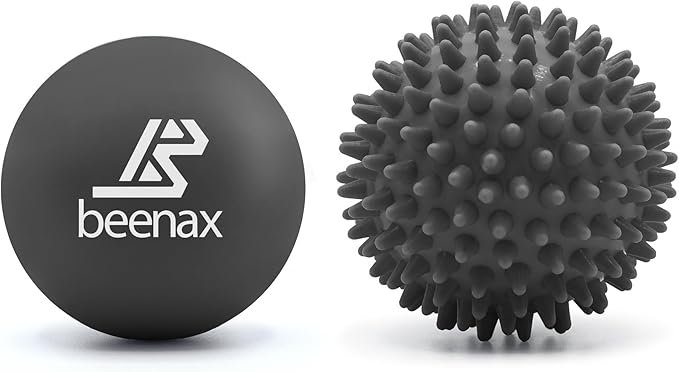
3. SKLZ Massage Ball Set
Key Benefits & Use Cases
-
Pinpoint pressure on tiny, tight spots (feet, calves, hip flexors)
-
Relieves plantar fasciitis tension, ankle stiffness, arch soreness
-
Great for travel — fits in a training bag
How It Works / Why It’s Good
Stand, lean, or place the ball under the sore muscle and roll slowly, applying pressure for 20–30 seconds. Use it along the arch of your foot, along the shin, or side of the hip. For example, after a run, plant your foot on the ball for 30 seconds per foot to release tension in arches and calves.
Because you can target so precisely, it’s complementary to foam rollers — reaching spots the larger roller can’t. The SKLZ set usually includes two sizes or densities.
Pros
-
Super cheap yet effective
-
Lightweight and portable
-
Useful for small, stubborn trigger points
Cons
-
Small area — not suited for big muscle groups
-
Can hurt a lot (but that’s part of the therapy)
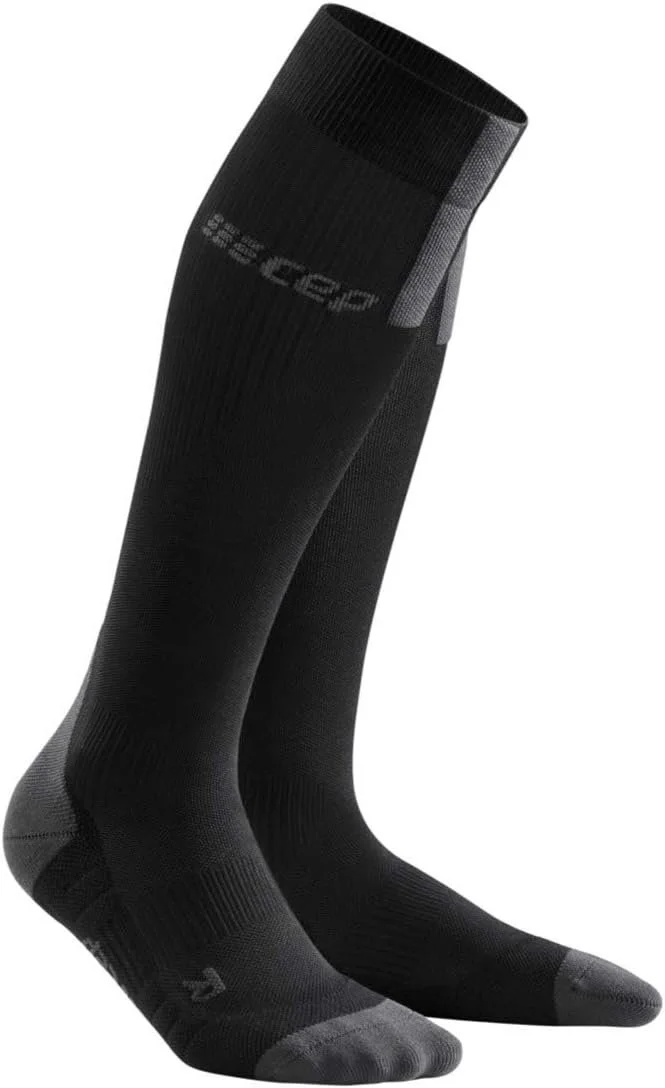
4. CEP Compression Run Socks 3.0
Key Benefits & Use Cases
-
Improves venous return and reduces leg swelling
-
Helps reduce muscle vibration (less microtrauma)
-
Speeds up recovery during day or post-run
How It Works / Why It’s Good
Wear them during light runs or for a few hours post-run. The graduated compression (strongest at the ankle, easing toward the calf) helps push fluids upward, minimizing pooling and stiffness. Many runners swear by compression socks on long-run recovery days — the difference is most noticeable in tight calves and tired legs.
CEP’s 3.0 model is designed specifically for runners, with anatomically shaped fit, breathable zones, and moisture-wicking material.
Pros
-
Easy to wear — no gadget operation
-
Helps with circulation and recovery
-
Durable and designed for running environment
Cons
-
Must fit well — too tight is irritating
-
Less “flash” appeal than gadgets
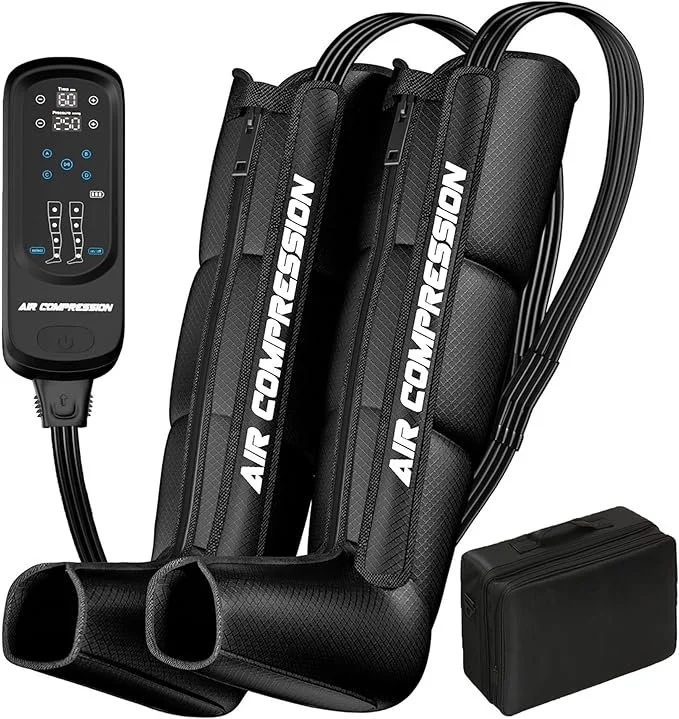
5. Air Compression Recovery System (Cordless Leg Massager)
Key Benefits & Use Cases
-
Delivers pneumatic compression to calves / thighs / feet, improving circulation and helping clear metabolic waste.
-
Especially useful on “rest” or “active recovery” days when you want passive recovery without strain.
-
Good for swelling or tight legs after a big mileage day or long run.
How It Works / Why It’s Good
Slip on the leg boots, set the pressure / mode, and let the device inflate and deflate cycles. This rhythmic compression mimics muscle contractions and helps push fluid out of tissues, reducing stiffness and soreness. Many runners will use it while reading or relaxing, letting the device do the work.
Because it’s cordless (in many models), you can use it without being tied to the wall.
Pros:
-
Hands-free and relatively effortless
-
Good for reducing swelling and aiding circulation
-
Able to target both legs simultaneously
Cons:
-
Price is high — big investment
-
Takes space; not totally portable
-
Doesn’t “massage” specific knots as a gun or ball would
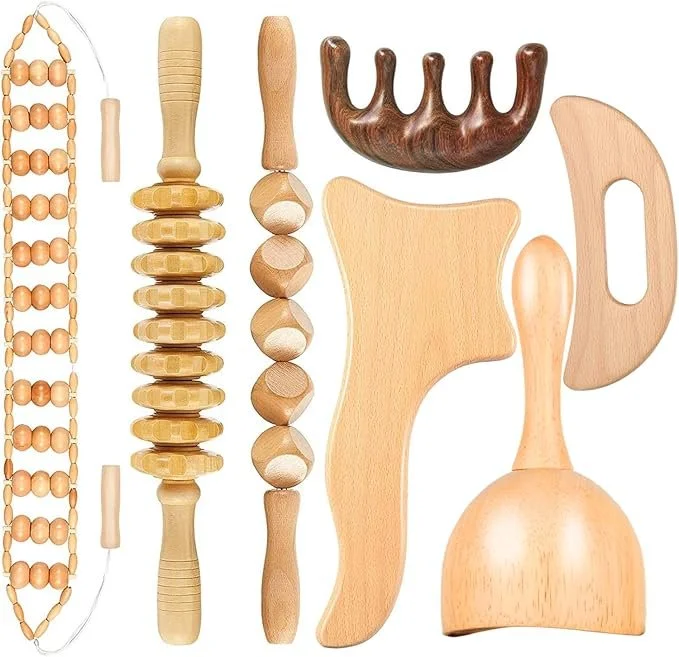
6. Wooden Therapy Massage Tools Kit (7-Piece Set)
Key Benefits & Use Cases
-
Offers a range of wooden massage tools (rollers, knobs, curved boards) to work on myofascial release, adhesion breaking, muscle sculpting, and deeper tissue palpation.
-
Great for runners who prefer manual tools, no power or electronics needed.
-
Works well for calves, shins, glutes, hamstrings, and also for fascia work.
How It Works / Why It’s Good
Use each tool to roll, press, or glide along muscle groups. For instance, use a curved board tool along the side of your quad, or a knob tool on calves. These wooden tools allow precise pressure control and won’t overheat or drain batteries — just your patience.
They’re especially useful when a sore spot doesn’t respond well to a foam roller or gun, as you can get into angles and contours the others miss.
Pros:
-
Low-cost, durable, no battery or maintenance
-
Wide variety of shapes to reach different muscle surfaces
-
Easy to travel with compared to bulky devices
Cons:
-
Manual — need your own effort
-
Can be harsh if used too aggressively
-
Doesn’t have dynamic vibration or compression features
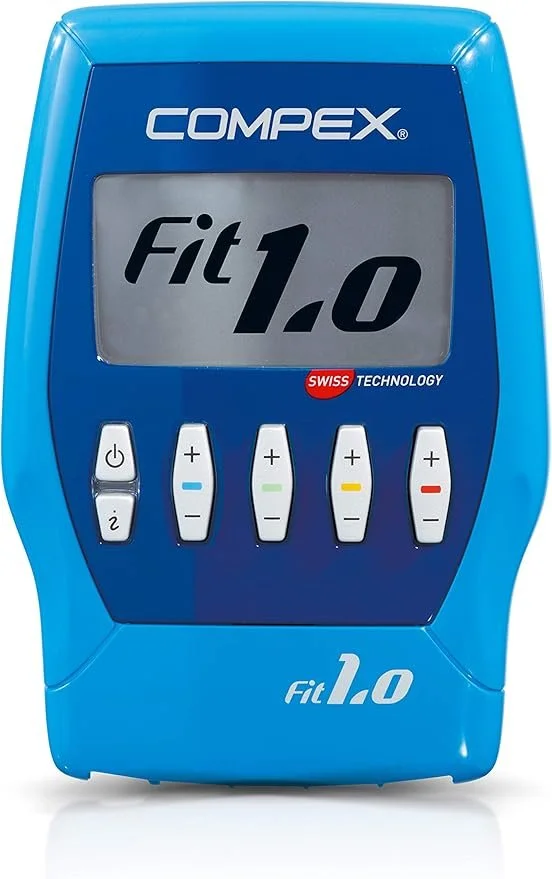
7. Compex FIT 1.0 Muscle Stimulation Device
Key Benefits & Use Cases
-
Electro Muscular Stimulation (EMS) helps contract muscles passively, promoting blood flow and aiding recovery.
-
Useful on rest days or to recover muscles you can’t actively stretch or massage (e.g. post-injury).
-
Good adjunct tool for recovery, rehab, and to prevent deconditioning.
How It Works / Why It’s Good
Attach electrode pads to target muscle groups (quads, hamstrings, calves), then select a “recovery / massage / active recovery” mode. The device stimulates the muscle to contract and relax, which helps flush metabolites and encourage circulation.
Many runners use it while relaxing or watching TV — it’s passive but effective when consistently used.
Pros:
-
Hands-free recovery tool
-
Helps with inflammation, soreness, circulation
-
Useful for injury rehab / days you can’t train
Cons:
-
Requires some learning to place electrodes properly
-
More expensive than simple tools
-
Doesn’t replace active recovery or massage entirely
Our Conclusion
Recovery is not the “nice to have” — it’s what turns training into progress. Without proper recovery, you risk burnout, nagging soreness, or worse — injury. The best athletes don’t just train hard; they recover smart.
These seven tools work together like a recovery orchestra:
-
Foam roller and massage balls for broad and targeted release
-
Massage guns (and vibration tools) for deeper penetration and muscle relaxation
-
Air compression systems for enhancing circulation and flushing fatigue
-
Wooden therapy tools for manual precision and control
-
Muscle stimulators (EMS) for passive contraction and recovery days
By rotating these tools based on how your body feels — whether it’s post-long run, midweek fatigue, or travel days — you’ll give yourself the best chance to stay consistent, healthy, and motivated. Use tools smartly, not endlessly: listen to what your body needs.
So gear up, recover right, and let your body do the building. Because stronger tomorrow starts with how you treat today’s run.